BlizzAir portable air conditioner in Canada: running costs, coverage and who it suits
Canadian housing is built for February, and it does that job well. The consequence arrives in July, when the same insulation that keeps heat in keeps it in, and a bedroom that was comfortable in April becomes impossible to sleep in.
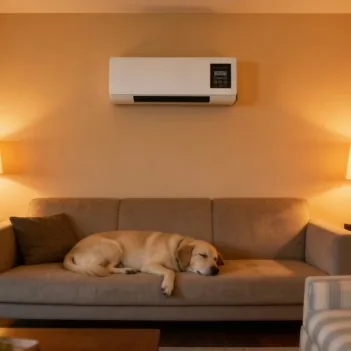
Spending thousands on a permanent system for eight weeks of use is a hard sell. BlizzAir is built for that calculation: plug it into a standard outlet and it produces genuinely cold air, with no window bracket, no drilled wall and no contractor invoice.
What BlizzAir actually is
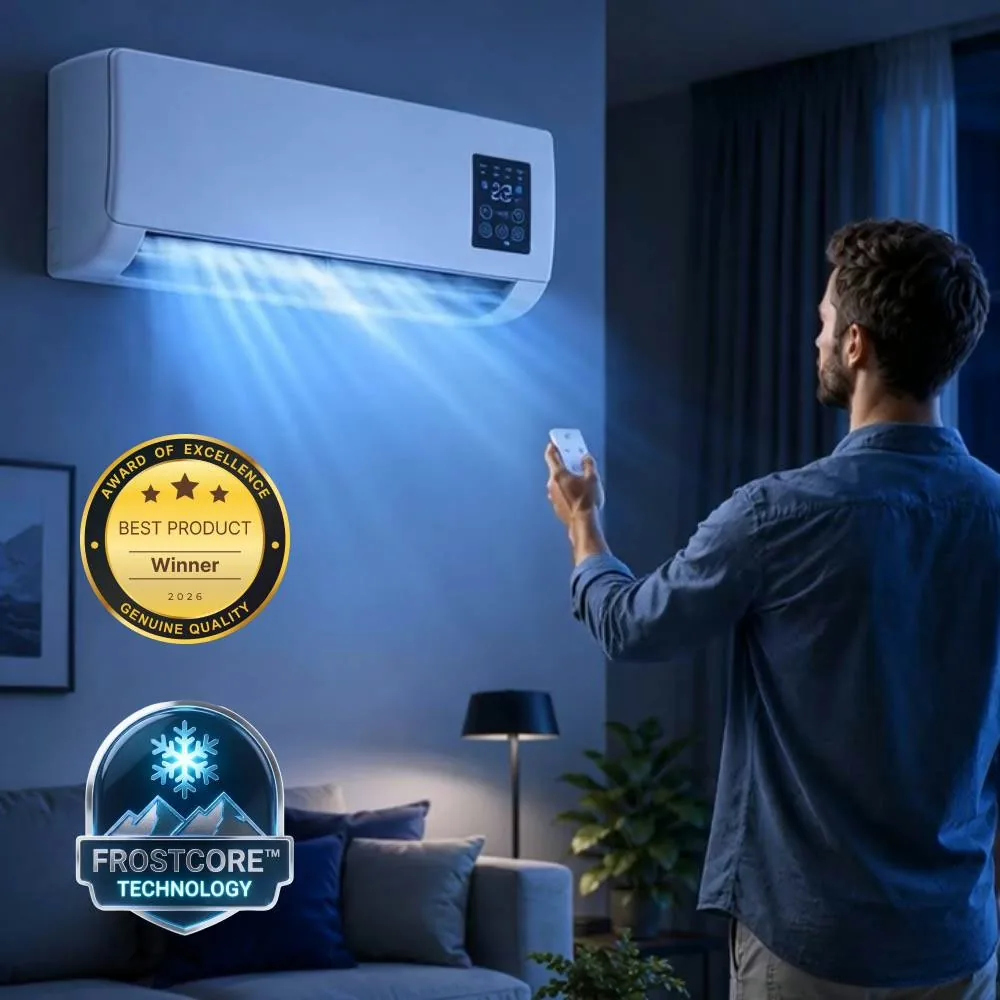
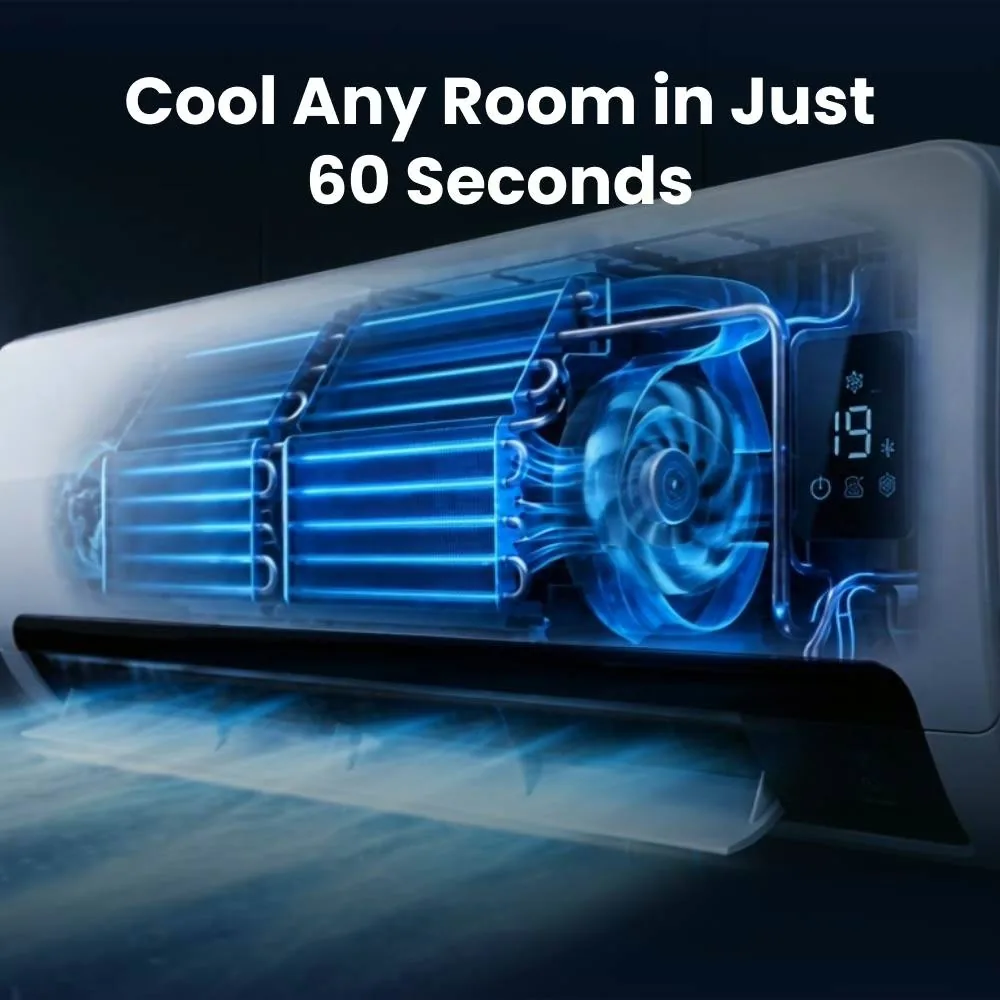
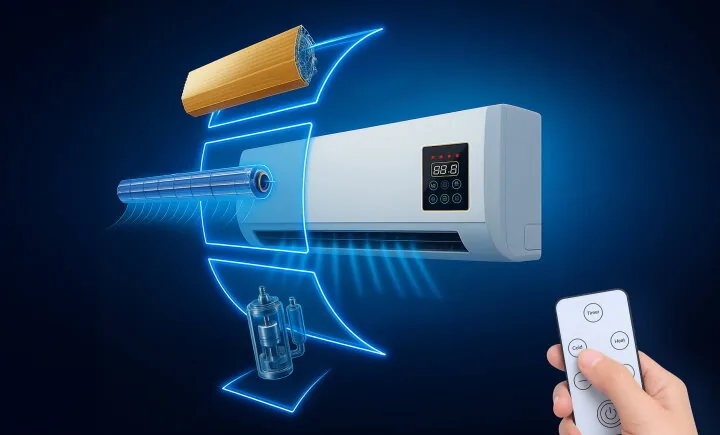
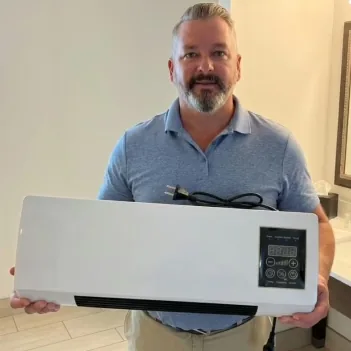
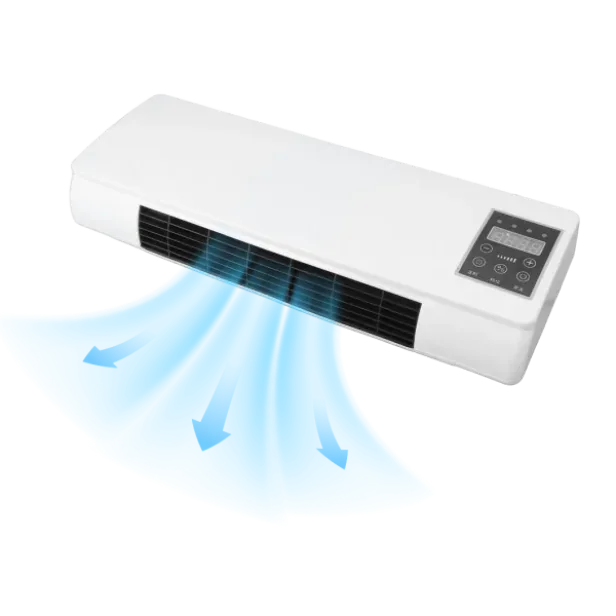
BlizzAir is a compact, wall-mountable portable air conditioner built around FrostCore™ heat-exchange technology. Unlike an evaporative cooler, which simply blows air over water and raises humidity, BlizzAir draws warm air across dual cooling coils, absorbs the heat, and returns chilled air to the room. The condensation produced in the process evaporates inside the unit, so there is no drain hose to route, no water tank to empty and no puddle behind the sofa.
Cooling and heating share one housing, which matters more in this climate than in most. It cools June through September and then heats a single room through the shoulder weeks in spring and fall, when firing the furnace for one room is not worth it.
How FrostCore™ heat-exchange technology works
The cooling cycle runs in four stages:
- Intake: warm room air is drawn in through the front vents.
- Heat exchange: the air passes over dual cooling coils, where the heat energy is absorbed away from the airflow.
- Dehumidification: moisture condenses out of the air on contact with the cold coils, which is why the room feels drier as well as cooler.
- Output: chilled, filtered air is pushed back into the room, with the condensate evaporated internally.
The dehumidifying step does more work than the thermometer suggests, which is exactly what the humidex is trying to tell you. A humid 28 °C evening in Toronto or Montreal is a different experience from a dry 28 °C in Calgary, and that difference is moisture a fan cannot touch.
Who this actually suits
Renters in buildings that ban window units
Two rules usually apply at once: leases prohibit permanent fixtures, and many condo boards prohibit window units on the facade. A plug-in unit is unaffected by either. Standard outlet, no marks, and it leaves with you when the lease ends.
Home offices and study spaces that need quiet cooling
Noise is the usual failure point of cheap portable AC units: a constant drone that makes calls awkward and concentration harder. BlizzAir is engineered for whisper-quiet running, which is the difference between a unit you use and one you switch off at 10am because it is too distracting.
Bedrooms during a humidex warning
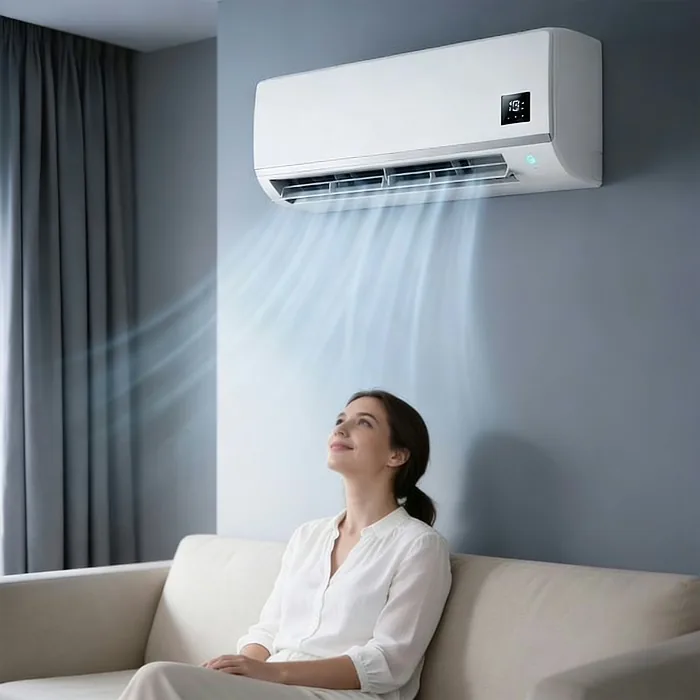
Sleep is where the heat is felt most. With Sleep mode selected, the unit runs at its lowest power and lowest noise level through the night, holding a set temperature rather than cycling loudly between extremes. Built-in protection against overheating, overload and short circuits means it is designed to be left running unattended overnight.
Against central air and against a fan
A fitted split system is the gold standard for whole-home cooling, and it is priced accordingly: installation alone commonly runs to four figures before a single degree of cold air arrives, and it ties the unit permanently to one room. Ducted air conditioning has the opposite problem: it is generous but indiscriminate, spending a significant share of its energy cooling rooms nobody is in.
A portable unit inverts the logic. Instead of conditioning a whole house so that one room is comfortable, it conditions the room you are actually sitting in. For a household that spends the evening in the lounge and the night in one bedroom, that is a far better match between energy spent and comfort delivered.
Against a fan, the comparison is simpler still. A fan does not lower air temperature, it moves it. In a room at 30 °C, a fan delivers 30 °C air to your face at speed, which helps through evaporation on the skin but does nothing for the room itself and nothing at all for humidity.
What it costs to run
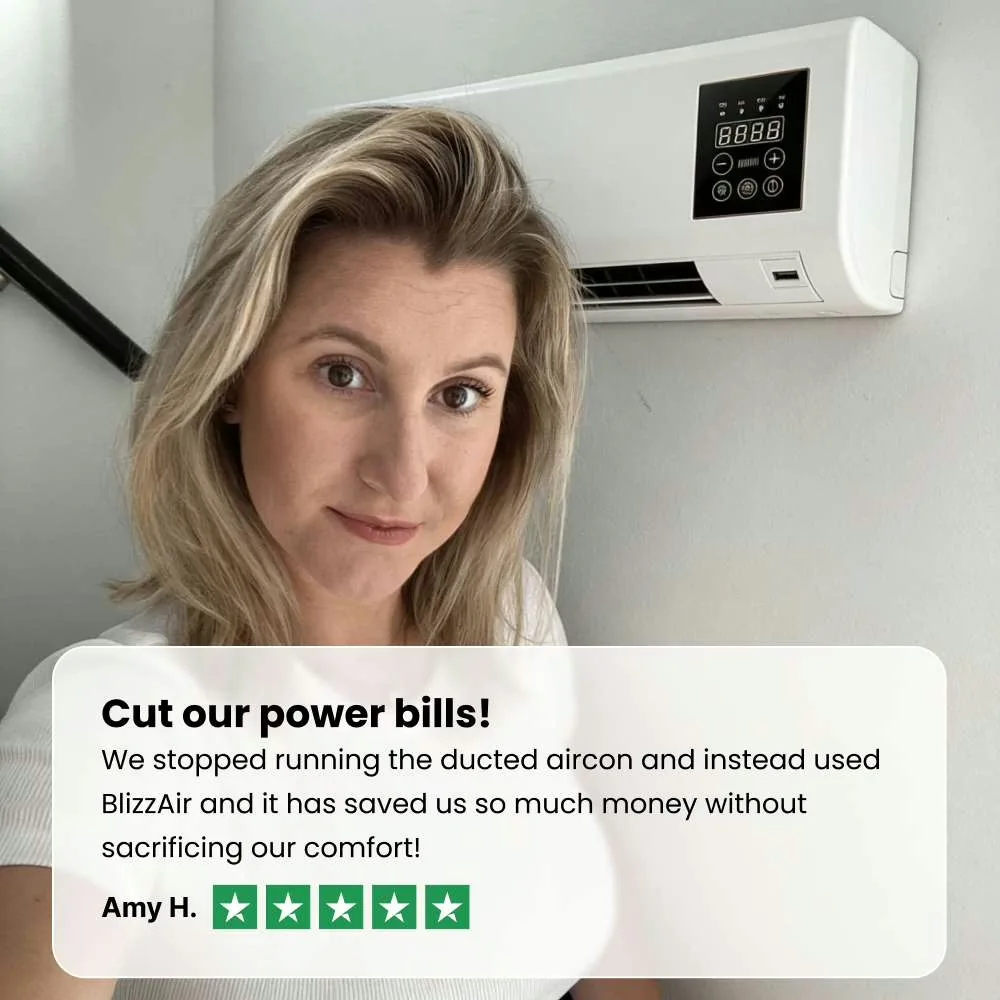
Because BlizzAir operates at low voltage and cools a single room rather than a whole property, the manufacturer puts its running cost at up to 90% below a traditional air conditioning setup. Three factors drive that figure: the smaller conditioned volume, the low-voltage design, and the absence of ductwork losses. Eco mode reduces consumption further by moderating fan speed and compressor demand once the target temperature is reached.
There are also costs that simply do not appear: no installer call-out, no annual servicing contract, no ductwork maintenance and no upfront capital outlay for a split system.
What 1,768 buyers actually report
Across 1,768 verified reviews the unit holds an average rating of 4.7 out of 5, with 97% of reviewers saying they would recommend it. The themes that recur most often in the feedback are consistent with the design brief:
- Setup speed: repeated mentions of "plug in and go", with no tools or tradesmen required.
- Portability: buyers moving a single unit between a home office by day and a bedroom by night, instead of buying two.
- Noise: frequently described as quieter than the pedestal fan it replaced.
- Landlord compatibility: a recurring reason for choosing it over a fitted system in rented accommodation.
Specifications
| Coverage | Rooms up to 51 m², depending on insulation and layout |
|---|---|
| Temperature range | 16 °C to 24 °C |
| Time to cold air | Approximately 60 seconds |
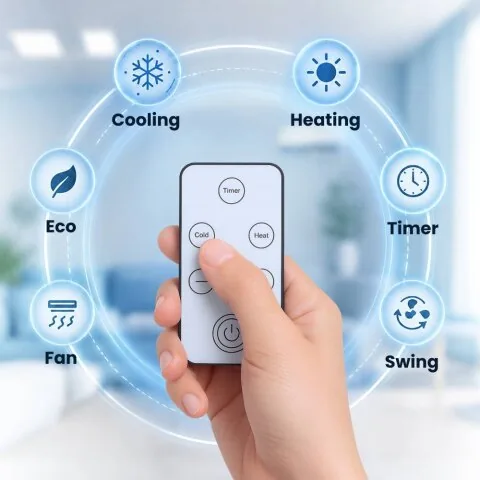
| Climate modes | Cool, Heat, Eco, Timer, Fan, Swing |
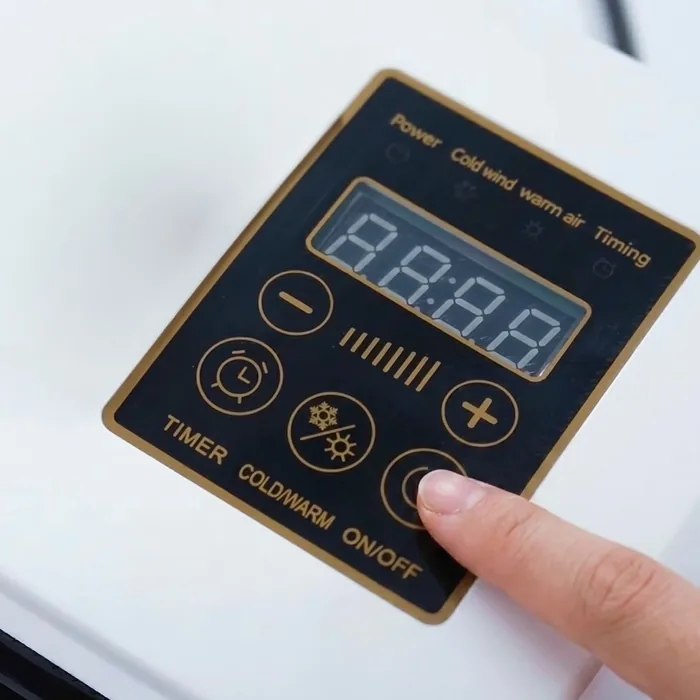
| Controls | Touchscreen panel and included remote control |
| Humidity management | Intelligent sensors, active moisture removal during cooling |
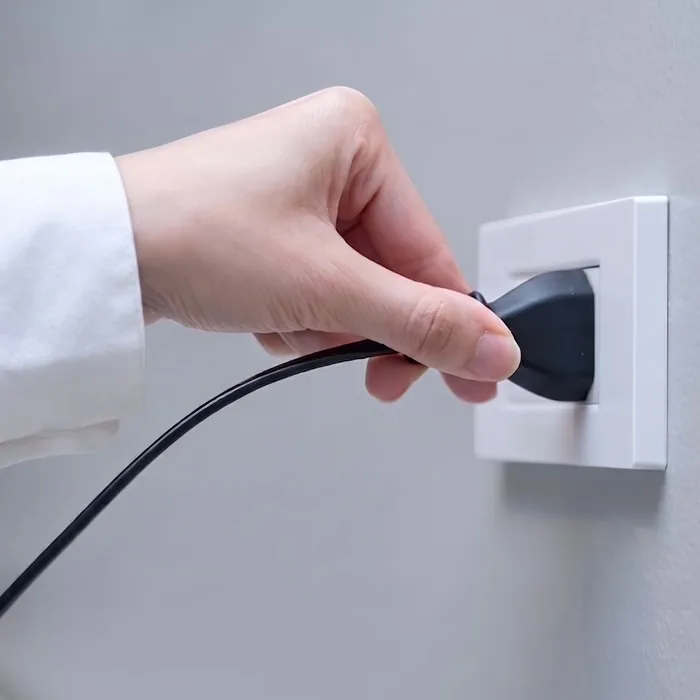
| Installation | None, plugs into a standard wall outlet |
| Drainage | Internal evaporation, no hose or water tank |
| Safety | Overheating, overload and short-circuit protection |
| Warranty | 1-year warranty plus 30-day money-back guarantee |
Is it worth it for a Canadian summer?
The honest answer depends on what you are comparing it to. Against a fitted split system, a portable unit will not cool an entire house, and it is not meant to. Against a fan, it is not a close contest: one lowers the air temperature and pulls out humidity, the other does neither.
For the situation most Canadian households are in, though, it is the proportionate answer: six to ten genuinely uncomfortable weeks a year, a building you cannot modify, and no reason to spend four figures on equipment that sits idle from October to June. The 30-day money-back window exists so that judgement gets made in your own rooms, during real weather.
Where to buy it in Canada
BlizzAir sells direct rather than through retail chains, which is what makes the current pricing possible. Ordering through the official page below locks in the discount and the 30-day money-back guarantee, with fast delivery across Canada.
Current offer: up to 60% off while stocks last, with a 30-day money-back guarantee and a 1-year warranty on every unit.